FRP Plastic Wall Panels Explained
Runfeng manufactures FRP composite panels in Tangshan, Hebei, and supplies contractors, distributors, body builders and importers. This guide explains how fiberglass-reinforced plastic wall panels are built and fixed, and which details to settle before requesting a quotation.
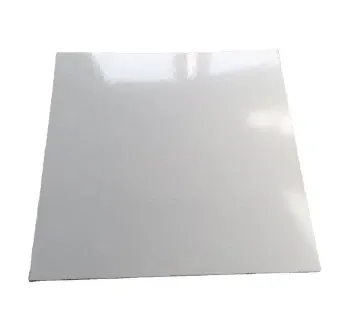
Panel Definition, Construction and Selection Factors
FRP plastic wall panels are wall panels made from fiberglass-reinforced plastic: polyester resin combined with glass-fiber reinforcement. In business-to-business projects they serve as wall linings and partitions in commercial kitchens, public restrooms, hospitals, schools, restaurants, car washes, coolers and freezers, supermarkets, clean rooms and laboratories. The panel body combines resin and reinforcement, while surface finish, thickness, profile and fixing details are specified for each project. The wall build-up also needs trims, sealant and fasteners selected with the panel. Send specification requests through the inquiry form.
Fiberglass plastic wall panels and FRP wall panels refer to the same fiberglass-reinforced plastic panel family. Before ordering, contractors should check surface finish, panel format, core material, corrugation or flat profile, substrate condition and installation method. Gelcoat surfaces give a smooth outer skin; non-gelcoat surfaces expose the laminate more directly. Smooth and embossed finishes change appearance and handling. Sandwich cores may be PU, XPS, EPS, honeycomb or plywood where the wall build-up calls for insulation or rigidity. Send custom drawings, sizes and project specifications through the inquiry form. A clear selection record reduces site queries and avoids mismatches between panel size and setting-out.
Construction follows the fixing method. Flat panels suit wall lining with adhesive and mechanical fasteners; corrugated profiles can follow the rhythm of roof or wall sheeting; sandwich panels combine facings with a core when the wall needs added rigidity or insulation. Substrate condition affects setting-out: out-of-square walls, damp backgrounds and service penetrations all change joint positions, trim details and fastener planning. Agree the installation method before production so panel format, edge trims and fixing accessories match the site. Where profiles change direction, corner trims and closure pieces keep the wall line consistent.
Runfeng manufactures FRP composite panels, sheets and profiles in Tangshan, Hebei, and sells under the RUNFENG brand. Runfeng was established in 2004. Its core product range includes daylighting sheets, anti-corrosive panels, profiles, rock wool sandwich panels, and fasteners and wire. For wall projects, review FRP wall panels and FRP sandwich panels before sending drawings, sizes, colors and quantities through the inquiry form. For projects requiring custom dimensions, include the drawing reference and installation method in the request.
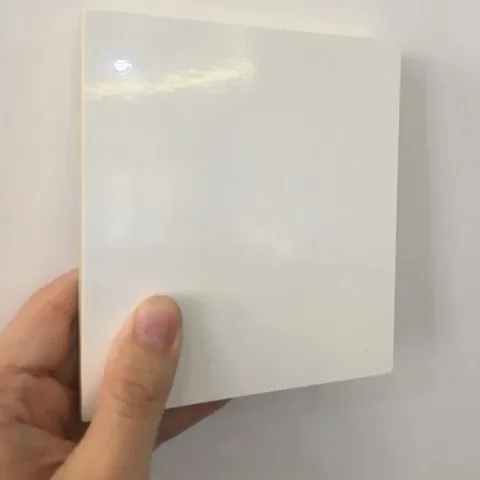
Hand holding a glossy white sample 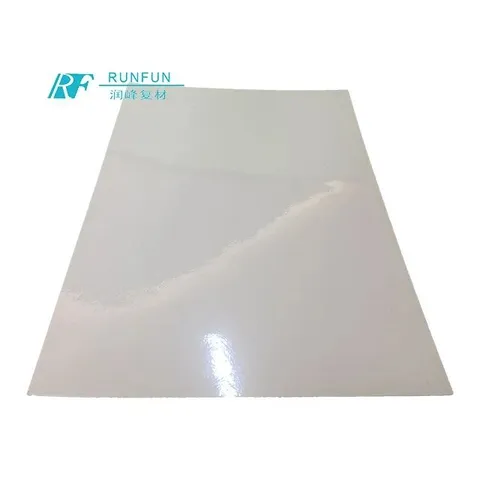
Glossy off-white board with corner logo
Substrates, Joints and Installation Planning
Wall panels work as a system: panel, adhesive or sealant, mechanical fasteners, trims and substrate. Contractors should confirm that the background is flat, dry and suitable for the chosen fixing, then set out joints around openings, corners and service penetrations. Cut edges need protection, and edge trims should allow for normal movement. In wet areas, floor, ceiling and penetration details decide how water reaches the drainage path. These points belong in the installation plan before panels are ordered. Fastener type and spacing are set by the substrate and panel format, not by the wall area alone.
- Site survey: confirm wall dimensions, openings, level and substrate condition.
- Substrate preparation: clean the background and agree any levelling or battens.
- Fixing method: choose adhesive, mechanical fasteners or a combined approach.
- Joint and edge details: agree sealant, trims, corner pieces and cut-edge protection.
Where panels are specified for coolers, freezers, clean rooms or car washes, define the wall build-up as a complete assembly: face material, core, joint sealant and fixing. Smooth surface finish and closed joints are common specification points. The same panel family can be supplied flat or corrugated, so the profile should be chosen with the adjacent wall or roof sheeting in mind. Sourcing information should state substrate, installation method, panel format and expected service conditions. For exterior or washdown areas, specify the full assembly rather than the facing alone.
Distributors and importers should agree a packing and labeling approach that suits onward handling, including pallet or crate options where required. Contractors should check that trims, fasteners and sealants arrive with the panels in the quantities needed for the installation sequence. For truck body and RV wall projects, compare the wall panel specification with body panel and siding requirements so interfaces at openings and edges are planned together.
Specification, OEM and Delivery Terms for FRP Wall Panels
Runfeng’s Tangshan factory operates 6 production lines and has an annual production capacity of about 3 million m². The factory size is 5,000-10,000 square meters, with 101-200 employees. FRP sheets are produced on continuous molding production lines. Runfeng produces its own SKD resin as a base material. The company develops panels, sheets and profiles to customer drawings and specifications, and offers OEM and ODM services through OEM and custom production. Quotation terms follow the agreed product and specification.
MOQ is confirmed by product and specification in the quotation; FRP sheet MOQs can be 100 square meters. In-stock orders can ship within 7 days; non-stock orders take 7-25 days, confirmed in the quotation. FOB Tianjin Port is available, subject to quotation. Pallet or crate packing options are confirmed in the quotation. Send product, size, color and quantity with your inquiry so the quotation can cover the full supply and delivery route.
Free samples of stock items are available on request, with the courier fee paid by the buyer; custom and special sample terms are confirmed on request. On request, colors of FRP sheets and wall panels can be matched to RAL references, confirmed in the quotation. Runfeng’s in-house testing center is equipped with xenon lamp aging testers, UV weathering testers, electronic universal testing machines and photoelectric haze meters. Online technical support is offered as the after-sale service, and packing details are settled before dispatch.
Runfeng exports to 80+ countries, with main markets in North America, South America, Eastern Europe, Southeast Asia, Africa, Oceania, the Middle East, Eastern Asia and Western Europe. The normal service sequence is inquiry, sample, quotation, production, inspection, packing and shipping. Share drawings, product, size, color, quantity and project specification through the inquiry form to start a wall panel quotation for a specific project.
Request a quotation
Describe your project, the panel size and quantity, and we will suggest matching FRP panels.
Or write to sales@frppanelmanufacturer.com